Technical guides to metalwork restoration
These guides aim to help homeowners and property managers understand the metallurgy behind a variety of architecturally prevalent metals and how this dictates restoration techniques we regularly employ
Dorothea Restorations is passionate about the preservation of historic architectural iron and metalwork. As recognised specialists in this field, we’ve put together some helpful resources explaining the background of a variety of metals used since antiquity in architecture. From cast iron to copper, we’ve put together these guides for both homeowners and professionals to help broaden your understanding of the significance of historic metalwork and what to expect from a professional restoration company when charged with its preservation. As always, restoration work should always be carried out by a qualified professional, so in the first instance, please do get in touch with your specific needs or requirements for the best advice and an expert opinion.
You are welcome to use this material as you see fit, but please do give us credit if you decide to publish the material elsewhere.
Lead
Copper
Cast Iron
Wrought Iron
General Conservation and Care Principles
Many examples of architectural metalwork have been around for decades, and we have a responsibility to hand them down again to the next generation.
Dorothea Restorations developed a “first of its kind” conservation policy, which set the industry standard for conservation works, which you can read here. Some of the most basic and fundamental principles of sensitive and correct conservation are listed below.
- Use acknowledged experts - Independent and objective advice from the right people is fundamental. Only employ skilled and experienced craftsmen with knowledge of conservation work
- Only repair the parts of the structure that really need it – replacement is always a last resort, and even then, it needs careful consideration for the existing ironwork and historical context
- Ensure that correct materials and recognised repair techniques are used and that even the smallest alterations made are done well
- Understanding the reasons for the failure of any metalwork before undertaking repair works is fundamental.
- Keep well-organised records of all restoration works undertaken.
- Don’t look at problems in isolation – consider them in the context of the building as a whole
 Restoration of the historic wrought iron canopy at the Palace Theatre in London
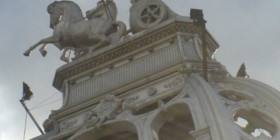
Dorothea had the privilege of carrying out the repair of the wrought iron spandrel brackets at the Palace Theatre in London. The canopy of Shaftesbury Avenue was damage by a bus that crashed into it in the summer of 2024.
Restoration of the historic wrought iron canopy at the Palace Theatre in London
Dorothea had the privilege of carrying out the repair of the wrought iron spandrel brackets at the Palace Theatre in London. The canopy of Shaftesbury Avenue was damage by a bus that crashed into it in the summer of 2024.
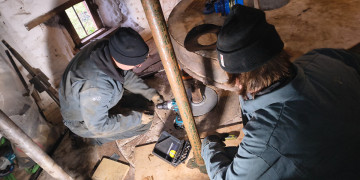 The jewel of Scotland is Preston Mill
Preston mill is one of the few original watermill remaining and part f the National trust for Scotland portfolio.
The jewel of Scotland is Preston Mill
Preston mill is one of the few original watermill remaining and part f the National trust for Scotland portfolio.
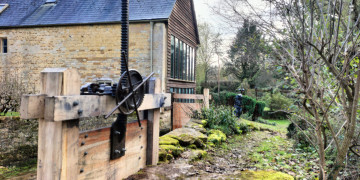 Preparing your water mill for the winter
Autumn is always a time to reset, and our team replaced two traditional sluice gates in the Cotswold ready for the rainy seaon.
View All
Preparing your water mill for the winter
Autumn is always a time to reset, and our team replaced two traditional sluice gates in the Cotswold ready for the rainy seaon.
View All